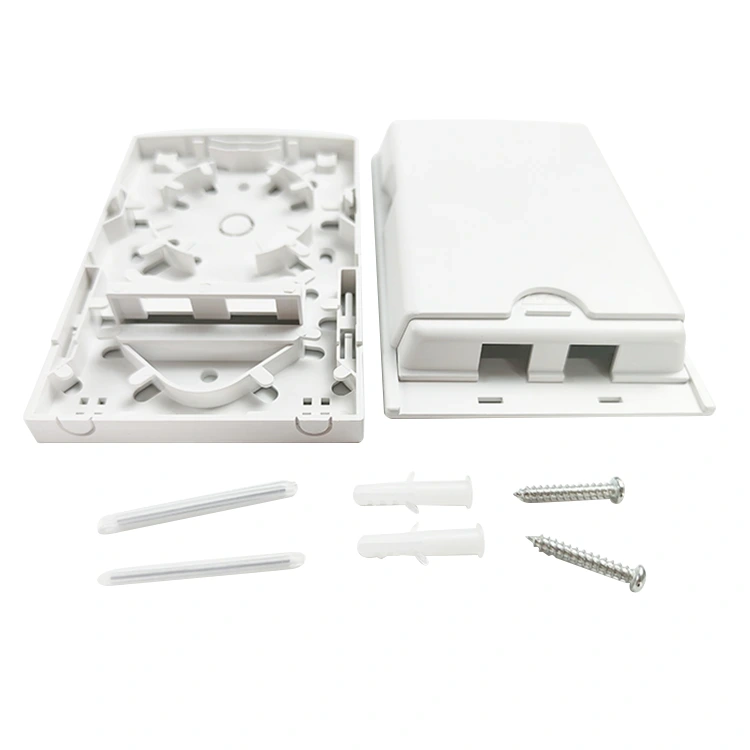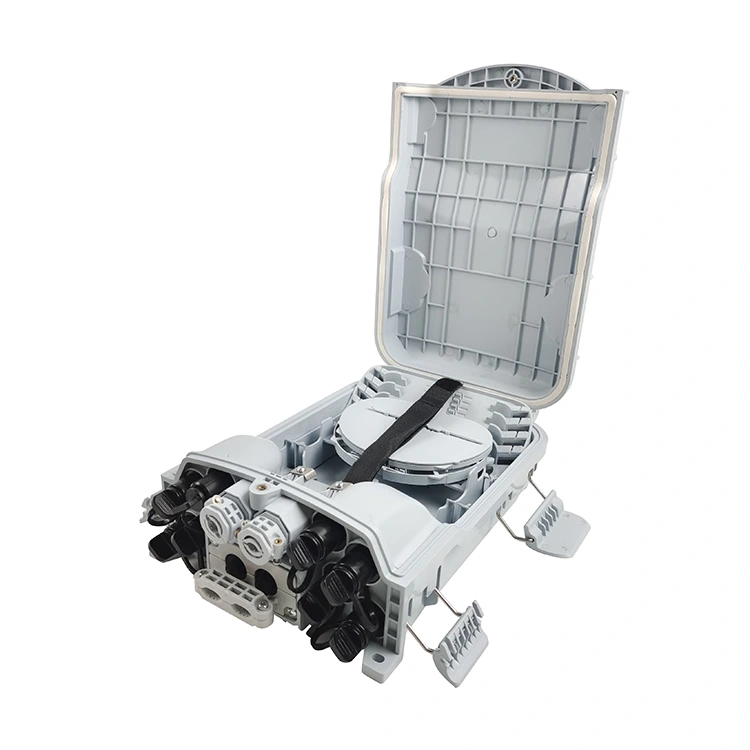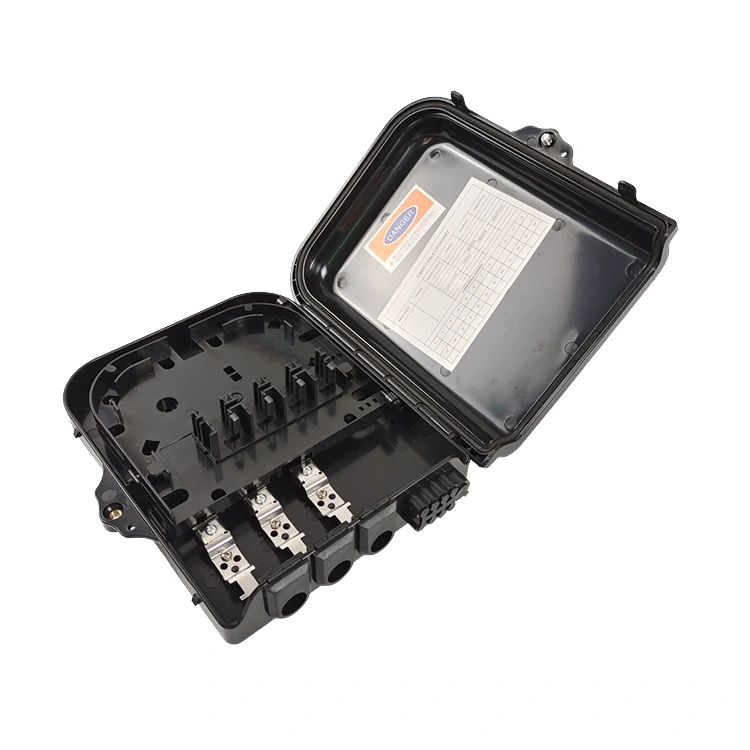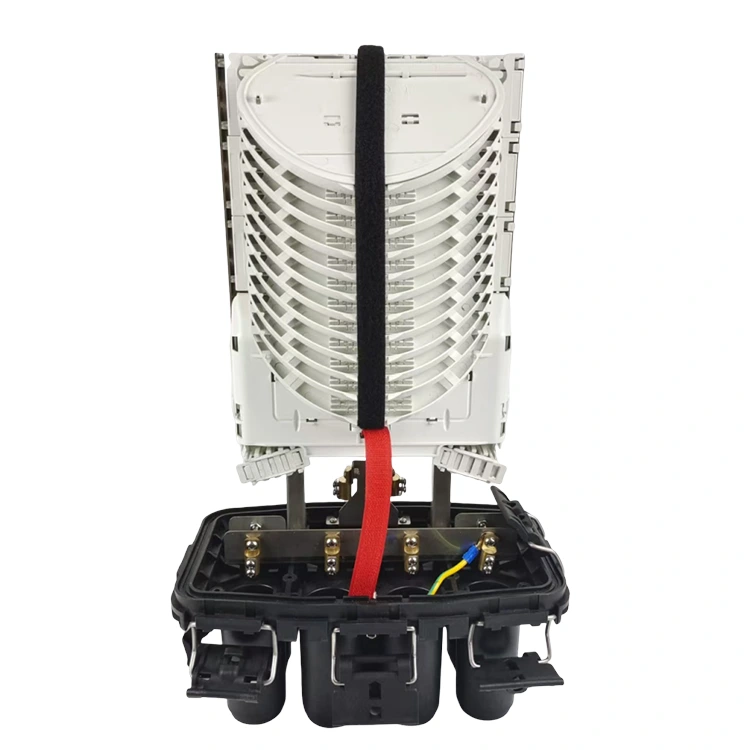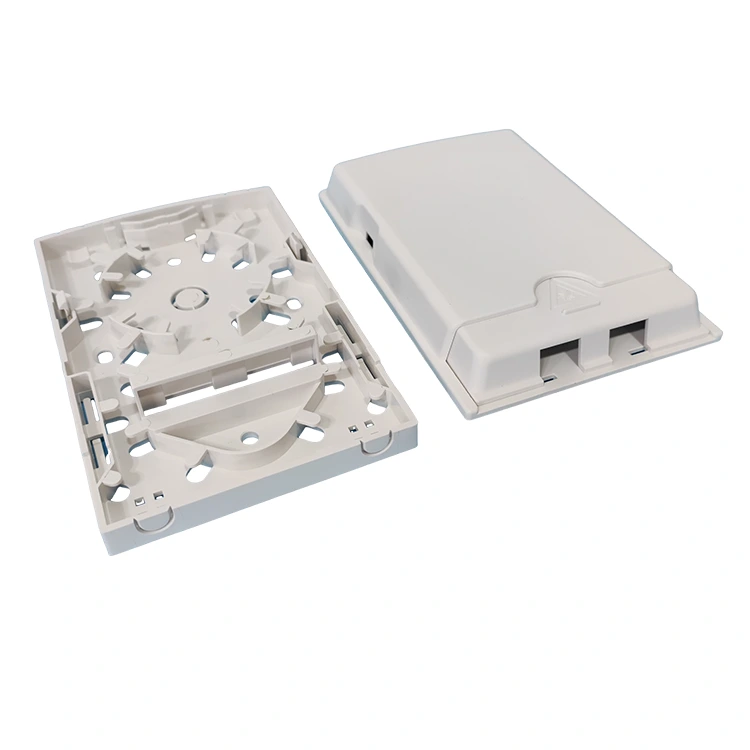

In the architecture of modern fiber optic networks, the Fiber Distribution Panel (FDP) — also known as a Fiber Patch Panel or ODF (Optical Distribution Frame) — serves as the centralized, structured termination and interconnection point for fiber optic cables. Unlike field enclosures like splice closures or distribution boxes, FDPs are typically rack-mounted or wall-mounted units installed in controlled environments like data centers, telecom central offices, and enterprise server rooms. They are the critical interface where permanent fiber cable plant meets flexible patch cords for routing, cross-connection, and testing.
A Fiber Distribution Panel is a structured enclosure designed to:
Terminate and secure incoming/outgoing fiber cables (often called the "backside" or "cable plant side").
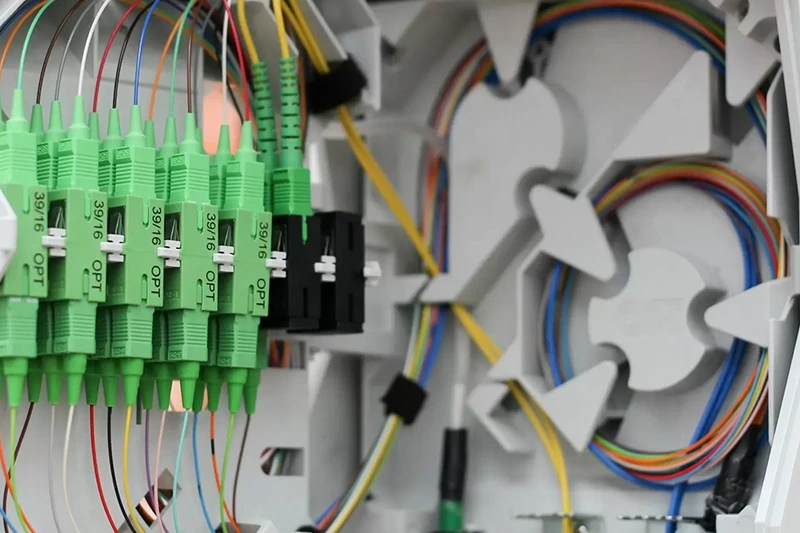
Organize and protect fiber splices, connectors, and excess cable slack.
Provide adapter ports (on the "frontside") for easy, flexible interconnection via patch cords.
Facilitate efficient management, testing, and reconfiguration of fiber links without disturbing the fixed infrastructure.
In essence, it is the main distribution point where the outside plant (OSP) cables or backbone cables from within a building are broken out and connected to equipment or to cables heading to individual workstations or other panels.