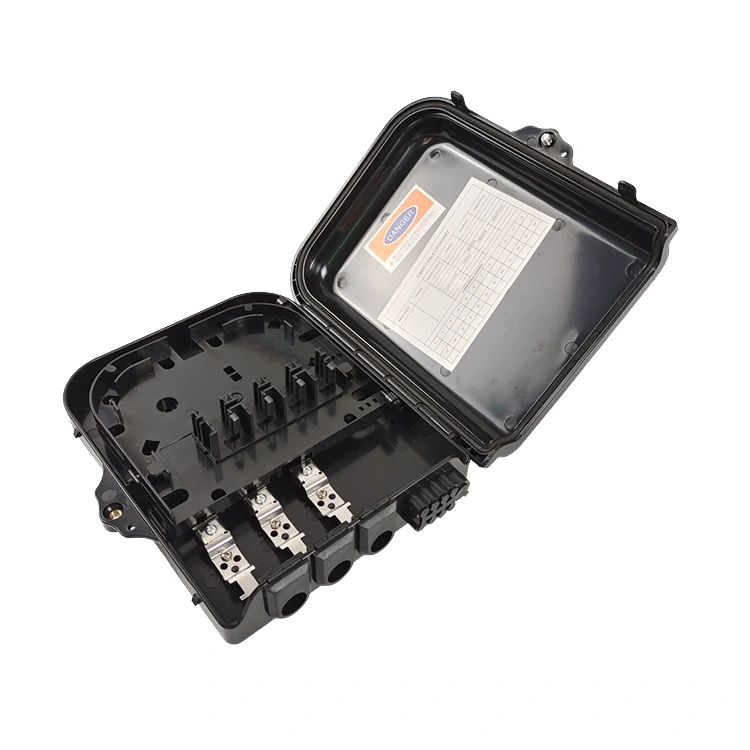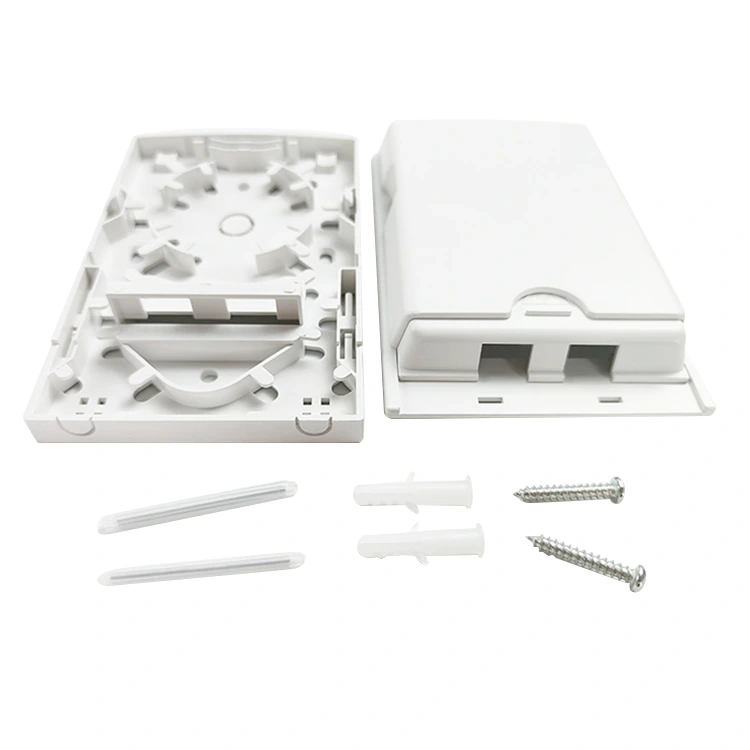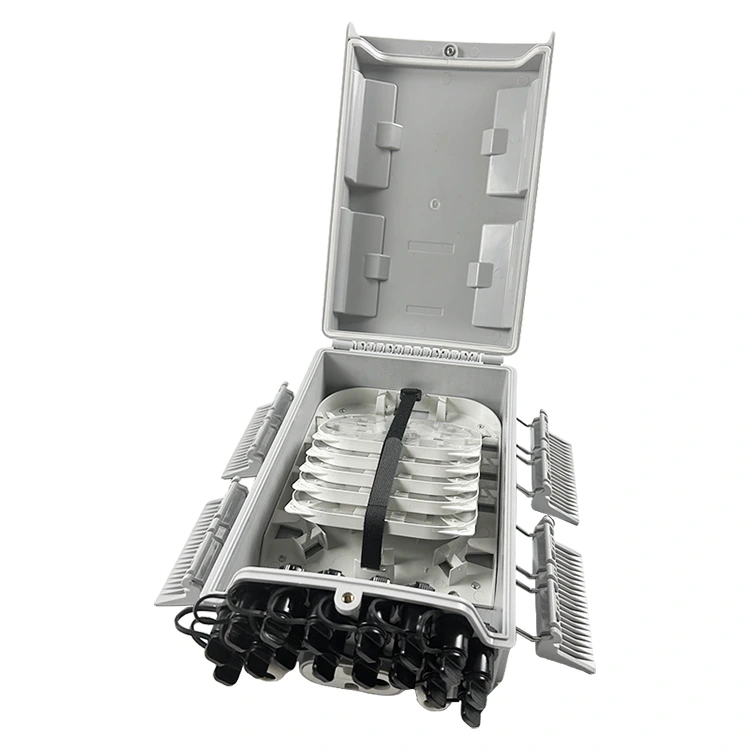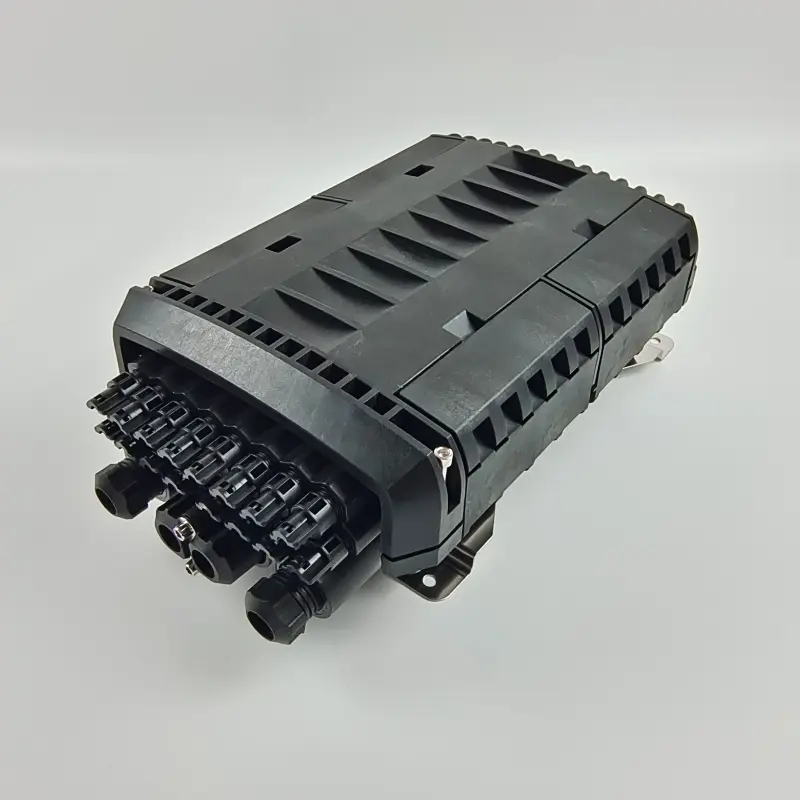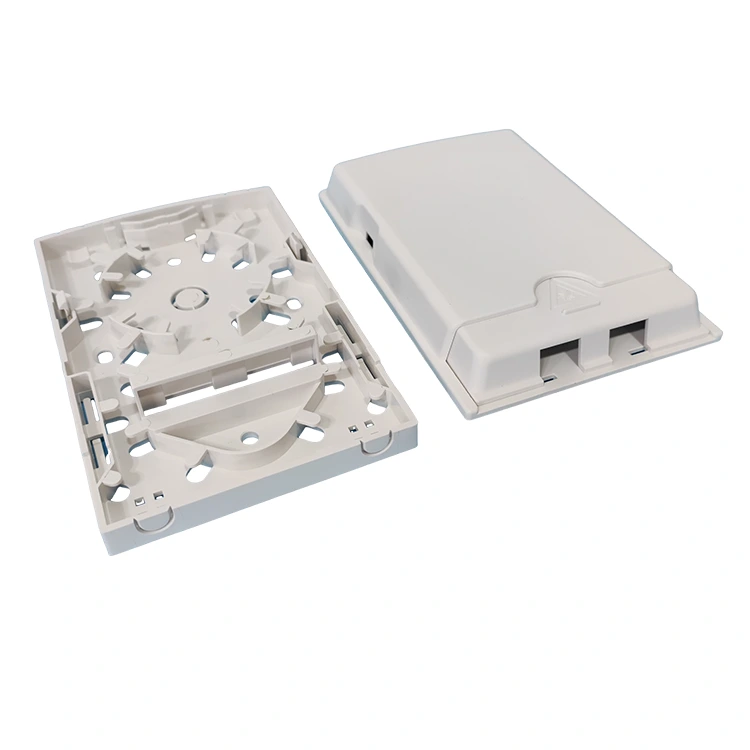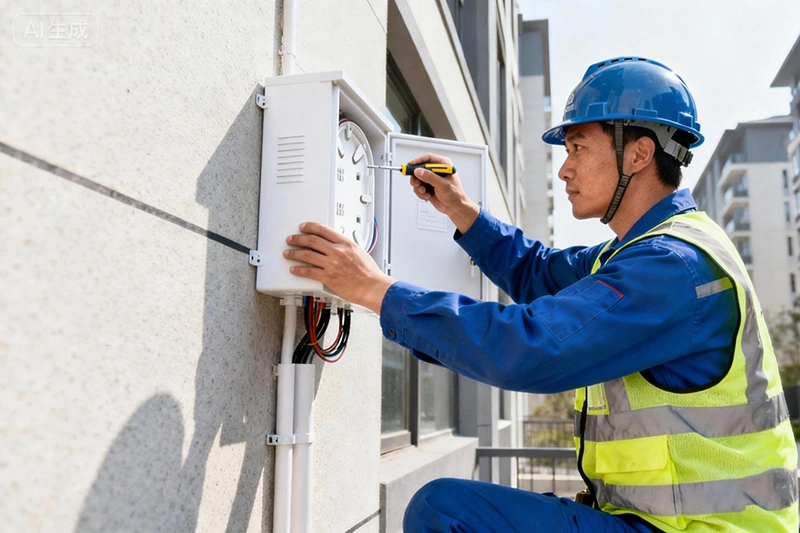

In the world of high-speed fiber optic communication, the seamless data flow we rely on doesn't happen by magic. It's enabled by critical infrastructure that organizes, protects, and manages delicate fiber cables. At the heart of this access and distribution layer lies an unsung hero: the Fiber Distribution Box (FDB).
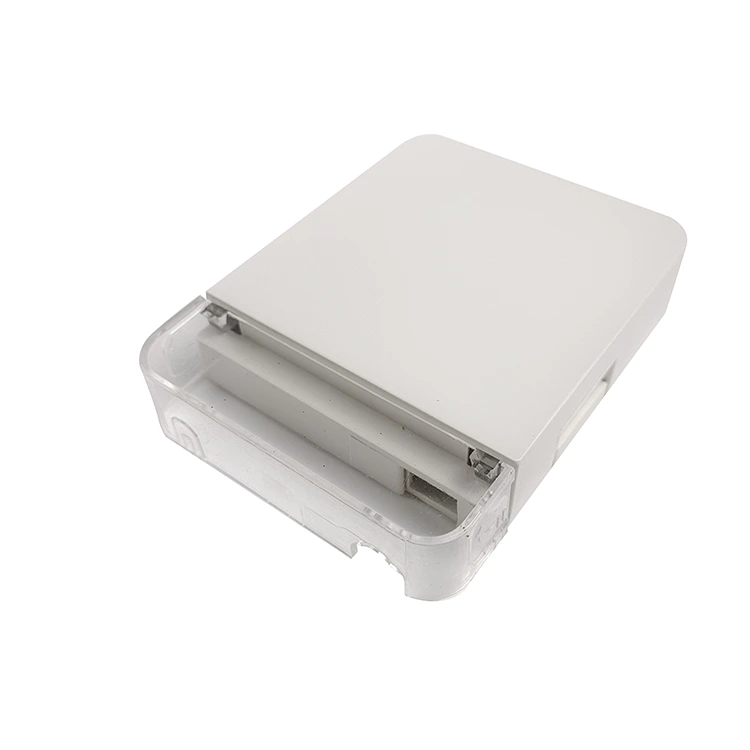
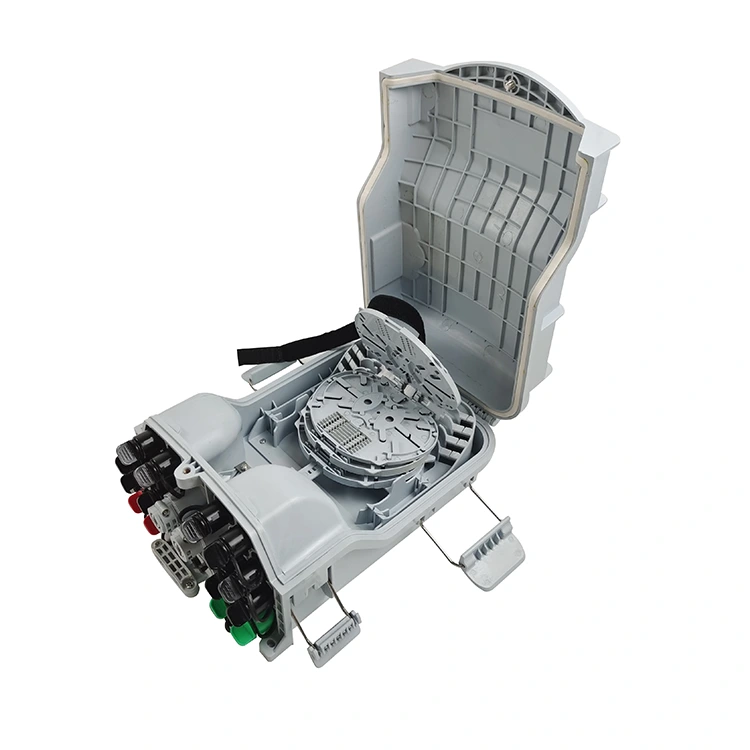
A Fiber Distribution Box, also known as a Fiber Termination Box or Fiber Access Terminal, is a compact, enclosed housing unit used in Fiber-to-the-Home (FTTH) and other fiber optic networks. It serves as the vital interface point between the main feeder cable (from the service provider) and the individual drop cables that run to end-user premises.
Think of it as a miniature, weatherproof command center. Its primary functions are:
Termination & Connection: It provides a safe space to splice the high-capacity feeder fibers with the individual subscriber lines.
Distribution: It organizes and routes multiple fiber connections from a single input cable.
Protection: It shields sensitive fiber splices and connectors from environmental hazards like dust, moisture, and physical damage.
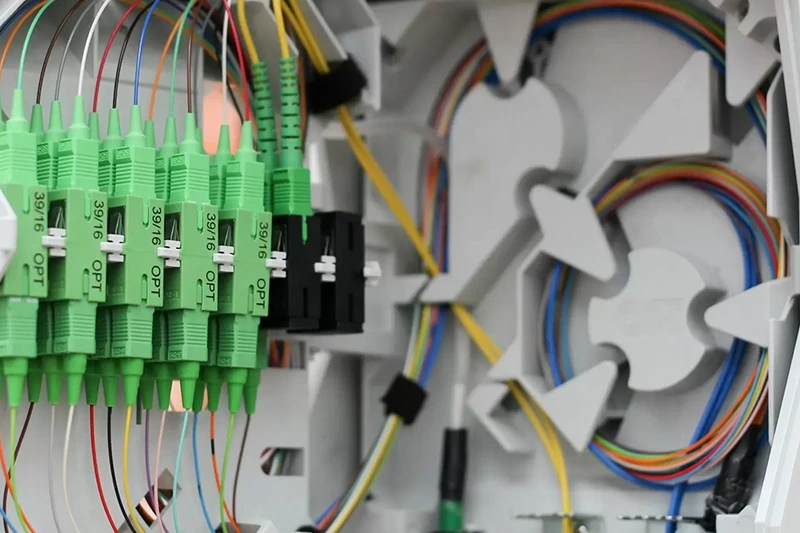
Management: It allows for efficient storage of excess fiber cable (slack) and maintains the critical bend radius of the fibers.
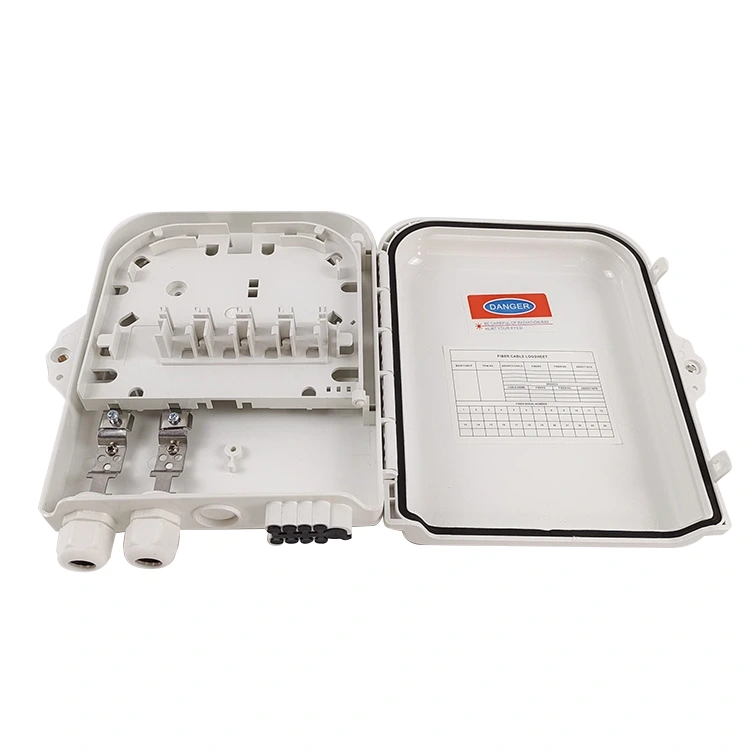
A high-quality Fiber Distribution Box typically includes:
Robust Housing: Made from durable, UV-resistant, and corrosion-resistant materials like PC/ABS or PP plastic.
Weatherproof & IP-Rated Seal: Ensures protection against water and dust ingress (common ratings are IP65 or higher).
Internal Splice Tray(s): Securely holds fusion splice protectors or mechanical splices.
Fiber Adapter Panels: Provide ports (often SC, LC, or FC types) for connecting patch cords.
Cable Inlets/Outlets: Sealed entry points with gland options for feeder and drop cables.
Strain Relief: Secures incoming and outgoing cables to prevent tension on the internal fibers.
Mounting Bracket: For easy installation on poles, walls, or in underground enclosures.
Indoor FDBs: Used in building entrance facilities, server rooms, or on customer premises. They are typically smaller and focus on neat cable management.
Outdoor FDBs: Designed for harsh environments on poles, walls, or in manholes. They feature superior weatherproofing and are often used in the last segment of FTTH networks.
Wall-Mounted vs. Pole-Mounted: The mounting style is chosen based on the network architecture and physical environment.
Capacity-Based: FDBs are categorized by the number of fibers they can terminate (e.g., 4-port, 8-port, 12-port, 24-port boxes).
FTTH / FTTB (Fiber to the Building) Networks
Telecommunication Access Networks
CATV and Cable Network Distribution
Local Area Networks (LAN) and Data Centers
Mobile Backhaul and 5G Small Cell Connections
Reliability: Protects connections from failures caused by the environment, ensuring stable network performance.
Scalability: Allows for easy addition of new subscribers or reconfiguration of existing connections.
Maintenance Efficiency: Centralizes access points for testing, troubleshooting, and upgrades, reducing operational costs.
Future-Proofing: Supports network expansion and upgrades to higher speeds without replacing the physical distribution infrastructure.
Safety & Aesthetics: Encloses bare fibers and keeps installations neat and organized, reducing accidental damage.
Selecting the appropriate FDB depends on several factors:
Indoor vs. Outdoor Environment: Determine the required IP protection level.
Fiber Capacity: Consider current needs and future expansion.
Cable Types: Ensure compatibility with the diameters and types of feeder and drop cables.
Connector Types: Specify the required adapter styles (SC, LC, etc.).
Installation Location: Choose the correct mounting style (wall, pole, strand).
The Fiber Distribution Box is a fundamental, yet often overlooked, component that ensures the reliability and flexibility of modern optical networks. By providing a secure, organized, and accessible point for fiber management, FDBs empower service providers to deploy and maintain high-bandwidth services efficiently. Investing in the right fiber distribution solution is a critical step in building a robust and scalable network for the future.
For more information on our range of high-performance, durable Fiber Distribution Boxes and how they can optimize your network infrastructure, contact our technical team today.
-