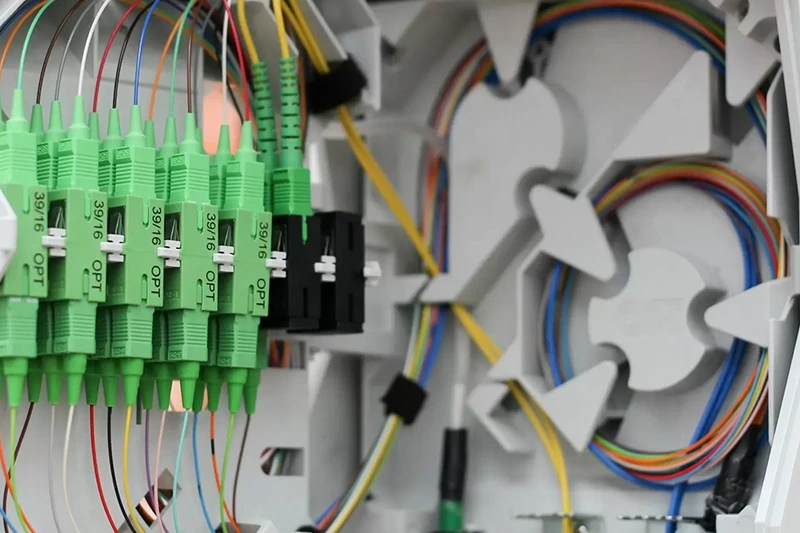

In 2026, artificial intelligence is reshaping the world at an unprecedented pace. From trillion-parameter large language models to exascale computing clusters with tens of thousands of GPUs, AI’s hunger for computational power is insatiable – and behind every bit of that computing power lies a massive upgrade of optical fiber infrastructure. As a dedicated manufacturer of passive optical connectivity products, Ningbo Yuanyi Communication Technology Co., Ltd. stands at the very centre of this historic opportunity.

In the past, optical fiber was seen as a mere “transmission pipeline” for communications. In the AI era, however, it has become the “neural network” of intelligent computing centres – the critical element that interconnects computing resources and determines the efficiency and cost of AI clusters.
A typical 10,000-GPU cluster alone requires tens of thousands of kilometres of optical fibre just for GPU interconnection. AI server clusters consume 5 to 10 times more fibre than traditional data centres. Global fibre demand grew by 138% year-on-year in 2024, 77% in 2025, and in the first half of 2026 alone it has already risen by 40%, with total annual demand expected to exceed 100 million kilometres in 2026.
The supply-demand gap is widening rapidly. According to estimates by Guosheng Securities, the fibre supply gap will reach 6% in 2026 and further expand to 15% in 2027. The capacity expansion cycle for optical fibre preforms is 18-24 months, severely limiting short-term supply elasticity. Tech giants like Meta, Amazon and NVIDIA have already placed multi-billion-dollar long-term orders. As industry insiders put it: “As long as data centres are being built, fibre will never be short of buyers.”
Within this explosion in fibre demand, G.657.A2 bend-insensitive single-mode fibre has become especially prominent.
G.657.A2 fibre offers a minimum bending radius of 7.5 mm, operates in the 1260-1625 nm wavelength band, and is fully compatible with G.652.D fibre. Compared with ordinary G.652.D, G.657.A2 delivers significantly lower bending loss and greater installation tolerance in high-density and tight-bend environments.
These characteristics make it the ideal choice for high-density cabling in AI data centres – where rack space is limited, fibres must make frequent turns and be packed closely together. Ordinary fibres are prone to signal attenuation from excessive bending, but G.657.A2 is designed precisely for such scenarios.
The price trend tells the story: G.657.A2 fibre has surged from around RMB 32 per fibre-kilometre in early 2023 to over RMB 240 currently – an increase of 650%. The share of fibre demand driven by internal data-centre and inter-data-centre connectivity for AI is expected to climb from less than 5% in 2024 to 35% by 2027.
By 2030, global data-centre fibre demand is projected to reach 128 million fibre-kilometres, of which AI-related applications will account for more than 80 million fibre-kilometres. G.657.A2 is no longer just a material for traditional FTTH – it has become one of the core upstream materials for AI computing infrastructure.
Ningbo Yuanyi Communication Technology Co., Ltd. is located in the Longshan Town Industrial Park, Cixi City. Founded in 2012 and focusing on R&D, design, production and sales of telecommunications equipment since 2017, we are now one of the leading suppliers in our product category in China.
As an original equipment manufacturer (OEM factory) of passive optical network products, one of our core competitive advantages is our unrivalled geographical and supply-chain proximity to the petrochemical industry.
Our factory is situated close to Sinopec Zhenhai Refining & Chemical Company, one of China’s largest integrated refining and petrochemical enterprises. Zhenhai produces over a hundred high-quality petrochemical products, including ethylene, propylene, benzene, ethylene oxide and other basic chemical raw materials. The high-purity silica, chlorosilanes and other key feedstock required for optical fibre preforms and fibre manufacturing come from the upstream chemical products that are at the heart of Zhenhai’s portfolio.
This close geographic adjacency brings us multiple advantages:
These strengths translate directly into customer value – more stable product quality, more competitive delivery times, and better cost structures.
The explosive growth of optical fibre has directly driven a comprehensive upgrade in fibre connectivity and cabling products.
The fibre optic connector market is experiencing unprecedented growth. The global fibre optic connector market was valued at approximately RMB 20.3 billion in 2025 and is expected to reach RMB 152.8 billion by 2030, representing a compound annual growth rate (CAGR) of 63%. As AI computing clusters evolve from 100,000-GPU to million-GPU scales, the density of fibre cabling between servers and switches increases dramatically, spurring an explosive surge in high-density MPO connector usage.
Against this backdrop, our core products are enjoying vast market opportunities:
Chinese fibre optic cables and products are selling well around the world. According to General Administration of Customs data, China’s fibre and cable exports reached US$245 million in March 2026, a year-on-year increase of 263.84%. Chinese companies already hold over 70% of the global optical module market share.
Currently, there remains a significant supply gap for high-end optical fibre preforms, especially for high-performance G.657.A2 and similar fibres. Global demand for G.657-series fibre is expected to reach as high as 370 million fibre-kilometres in 2026, while effective production capacity in Chinese factories is only about 200-210 million fibre-kilometres. This imbalance means that the entire upstream and downstream industry chain will continue to enjoy sustained growth dividends.
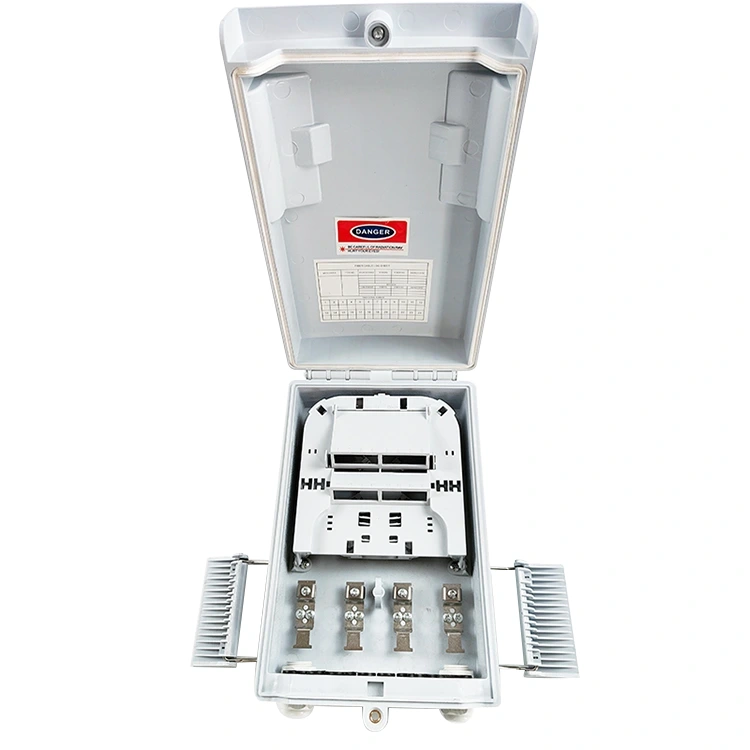
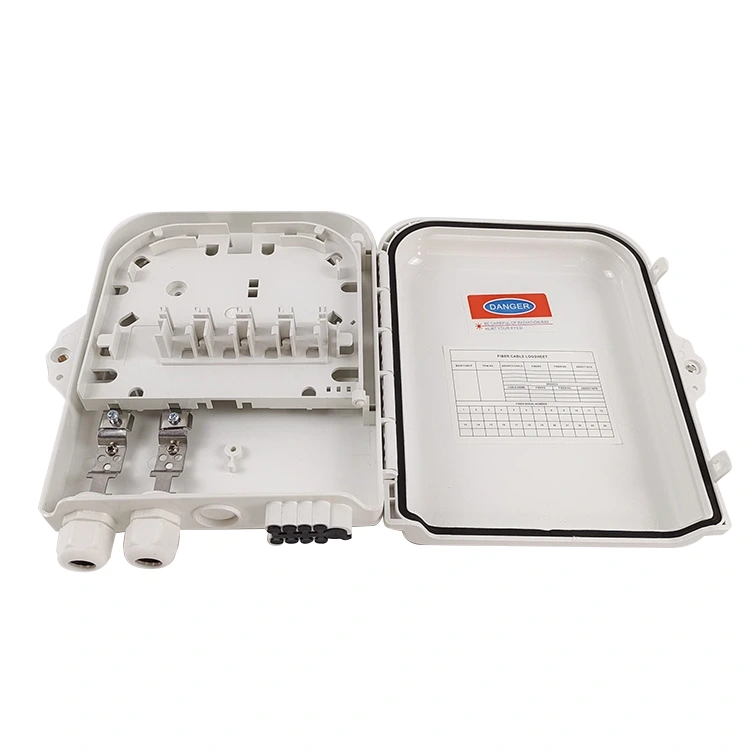
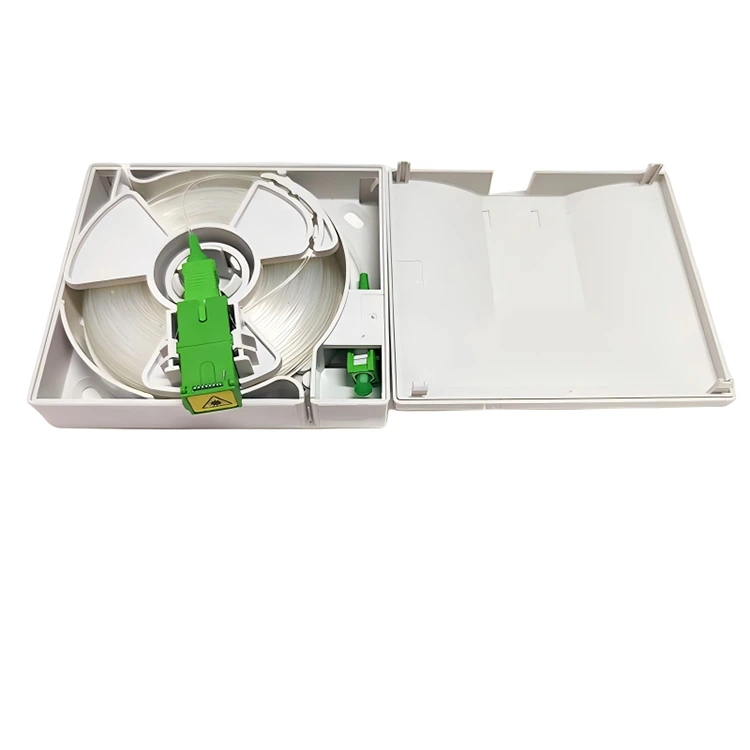
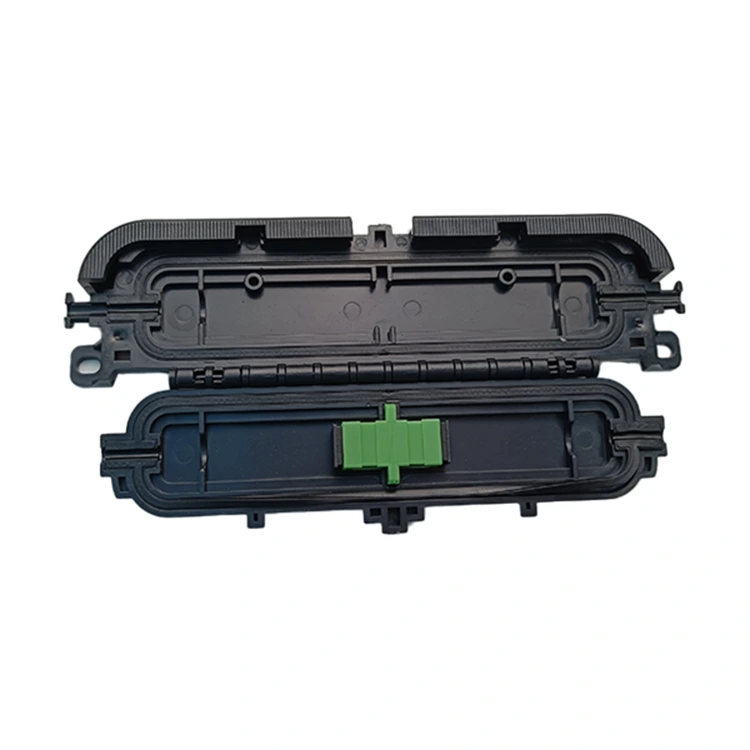
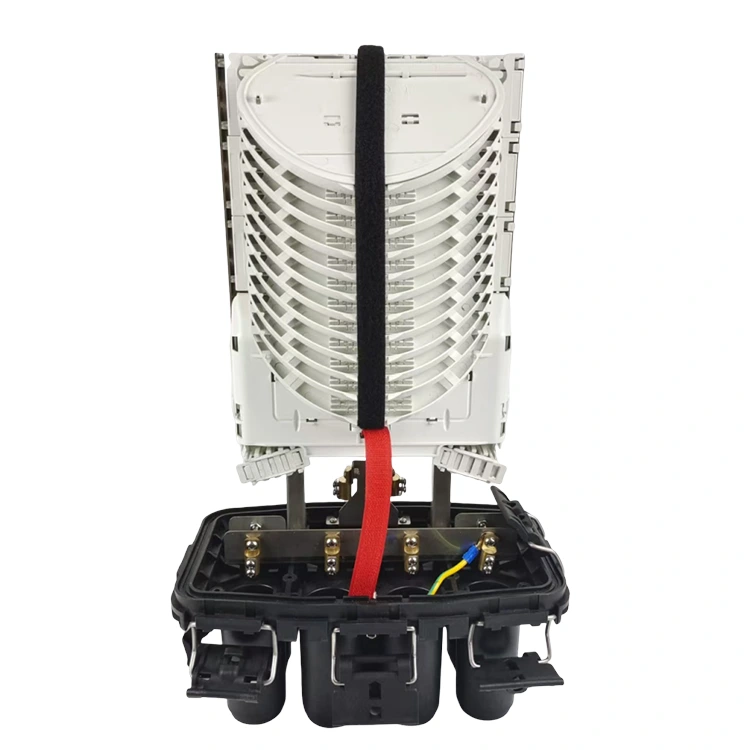
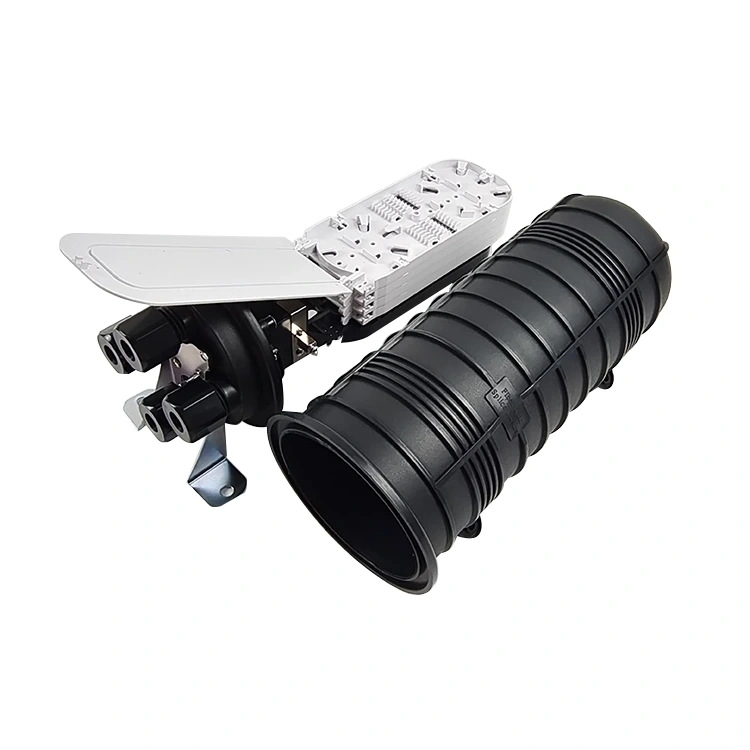
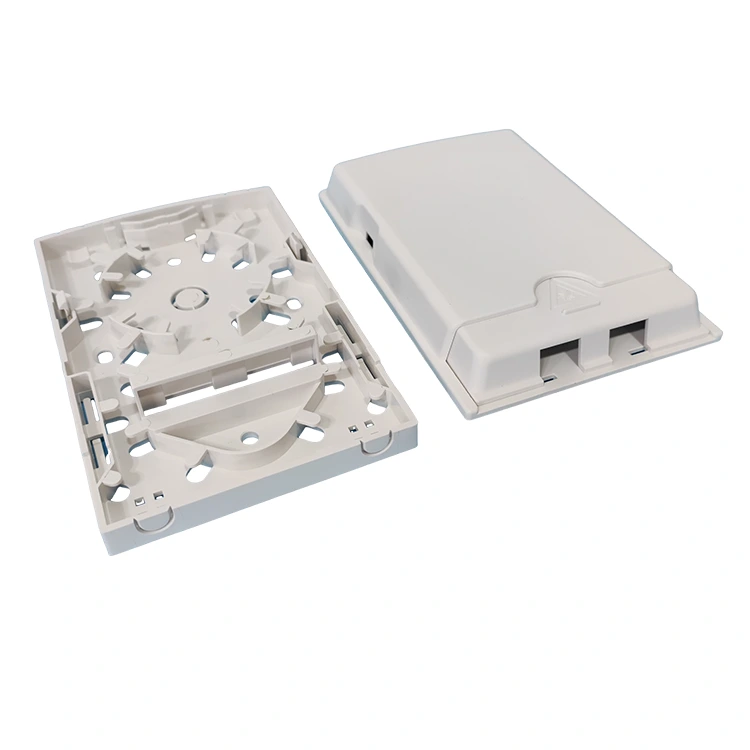
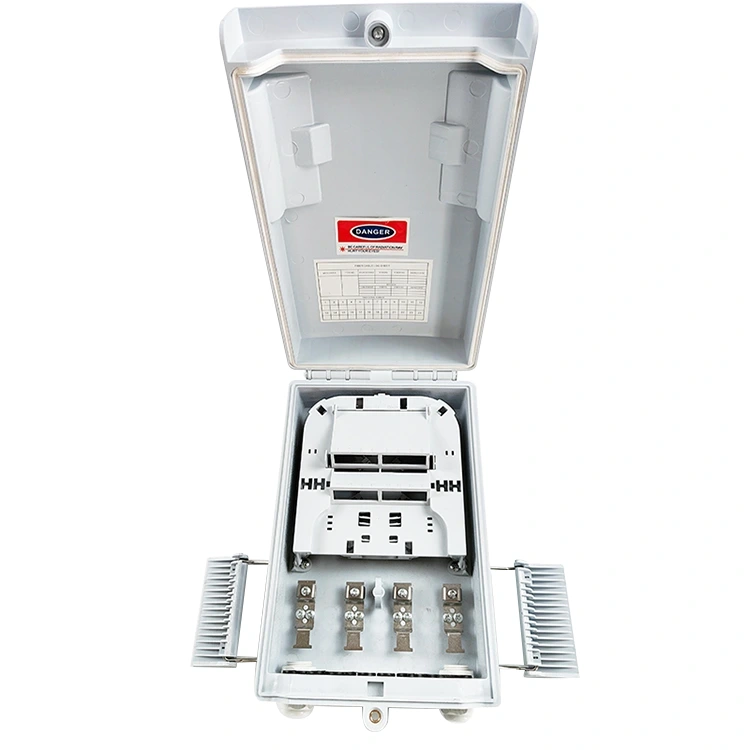
As an OEM manufacturer specialising in passive products such as fibre distribution boxes, splice closures and waterproof pre-connected solutions, we are positioned at a critical juncture in this value chain. The global wave of AI data-centre construction requires not only vast quantities of G.657.A2 fibre, but also high-quality connectivity, distribution and protection products to build complete optical networks.
Whether it is the rapid expansion of AIDCs in North America or the strong demand from European markets for Chinese optical communications products, one fact is clear: The construction of optical networks in the AI era cannot do without the support of China’s supply chain.
AI and optical networks are empowering each other in a virtuous cycle. China Unicom’s White Paper on All-Optical Infrastructure for the AI Era clearly states that the all-optical base for the AI era must be built around intelligent computing, deeply integrating computing power and intelligence to become the smart infrastructure that supports trillion-parameter model training and the coordination of millions of edge nodes.
Optical fibre is evolving from a traditional transmission medium into a critical component for high-density, low-latency interconnection within intelligent computing centres. And the fibre distribution boxes, splice closures and waterproof pre-connected products we produce are the building blocks of that critical infrastructure.
At the end of AI lies computing power; at the foundation of computing power lies the optical network; and at the foundation of the optical network lies every one of our optical connectivity products.
Standing at the forefront of the AI era, Ningbo Yuanyi Communication Technology Co., Ltd. will continue to leverage our OEM quality assurance and our cost advantages rooted in the petrochemical industry chain to contribute our “Yuanyi strength” to global AI infrastructure construction.